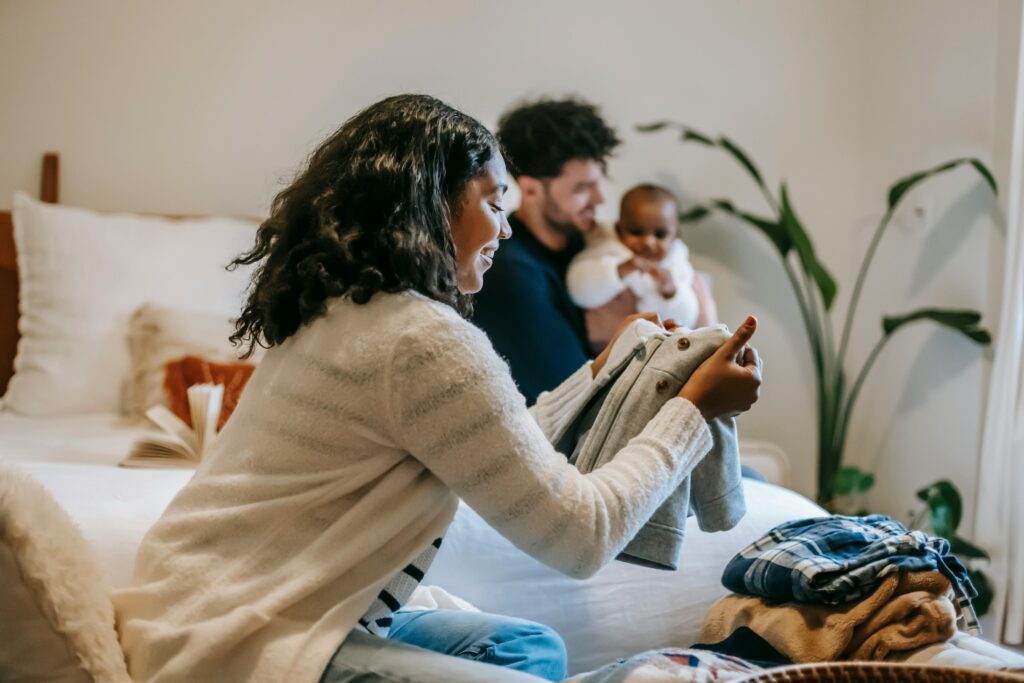
As parents become more conscious of their environmental impact, the demand for eco-friendly children’s clothing has grown rapidly. However, many still worry that choosing sustainable options means compromising on style, variety, or affordability. Fortunately, today’s market is filled with brands that combine environmental responsibility with trend-forward design, allowing parents to dress their kids fashionably while supporting ethical and sustainable practices. Here’s how to make smart, eco-conscious choices without giving up on style.
Understand What Makes Clothing Eco-Friendly
Before diving into shopping tips, it’s important to know what qualifies as eco-friendly. Truly sustainable clothing for kids involves a few key factors:
- Sustainable Materials: These include organic cotton, bamboo, hemp, TENCEL
 (lyocell), and recycled fibers. These materials use fewer resources, produce less waste, and are safer for sensitive skin.
 - Non-Toxic Dyes and Finishes: Eco-friendly clothes avoid harmful chemicals like azo dyes, formaldehyde, and phthalates, which are often found in conventional clothing.
- Ethical Manufacturing: Look for brands that ensure fair wages, safe working conditions, and minimal environmental impact during production.
- Durability: Well-made, long-lasting garments reduce the need for frequent replacements, cutting down on waste.
Look for certifications such as GOTS (Global Organic Textile Standard), OEKO-TEX®, and Fair Trade to ensure the clothing meets recognized environmental and ethical standards.
Look for Brands That Prioritize Both Sustainability and Design
Many eco-conscious brands today offer clothing that is not only responsibly made but also beautifully designed. These brands understand that modern parents want stylish options for their kids that align with their values.
- Choose brands with modern aesthetics and versatile color palettes—neutrals, soft pastels, and minimal prints are popular in sustainable collections.
- Support labels that collaborate with artists or designers to create unique, playful patterns and timeless silhouettes.
- Some sustainable brands even focus on capsule collections, which include a few well-designed pieces that can be mixed and matched easily.
By seeking out these thoughtful brands, you can dress your child in eco-friendly clothing that feels just as fashionable as anything on the high street.
Choose Timeless Over Trendy
One of the keys to sustainable fashion is longevity. Instead of chasing fast-moving trends, opt for classic styles that can be worn season after season or passed down to younger siblings.
- Choose well-fitting basics: solid-color tees, classic overalls, striped bodysuits, or denim jackets never go out of style.
- Avoid excessive embellishments or characters that might feel outdated quickly.
- Neutral and gender-neutral colors often allow for greater versatility and can be handed down to both boys and girls.
Timeless pieces help reduce waste and create a more cohesive, stylish wardrobe for your child.
Buy Less, But Better
It’s easy to overbuy when shopping for kids, especially with all the adorable styles available. But children outgrow clothes quickly, so focusing on quality over quantity is a more sustainable (and budget-friendly) approach.
- Invest in fewer pieces that are durable and designed to last through multiple washes and wears.
- Look for adjustable features like stretchy waistbands, foldable cuffs, and flexible sizing to extend the usability of each garment.
- Prioritize multi-functional items that can transition from playtime to family outings with a simple styling change.
Buying better-quality items may cost more up front, but they save money and reduce waste over time.
Embrace Pre-Loved and Secondhand Fashion
One of the most eco-friendly ways to shop is to embrace secondhand clothing. Gently used items help reduce textile waste and carbon emissions associated with producing new clothes.
- Explore local thrift stores, consignment shops, and online platforms like ThredUp, Kidizen, or Facebook Marketplace for quality pre-loved clothes.
- Organize clothing swaps with friends or family members who have children of similar ages.
- Choose durable styles and colors that wear well over time—natural fibers like cotton and denim often hold up best for secondhand use.
Secondhand doesn’t mean sacrificing style; it often means discovering one-of-a-kind items that aren’t available in stores anymore.
Support Small, Ethical Businesses
Many small businesses are leading the way in sustainable children’s fashion by focusing on slow production, artisan techniques, and ethical labor. Supporting these businesses often means finding thoughtfully made, stylish clothing that stands out from mass-market offerings.
- Many small eco-brands create limited collections that feel exclusive and unique.
- Handmade items, upcycled pieces, or regionally sourced fabrics often add character to your child’s wardrobe.
- By choosing to shop small, you’re directly supporting families and communities rather than large corporations.
Look for these brands on platforms like Etsy or social media, where many sustainable businesses build loyal followings.
Care for Clothes Properly to Extend Their Life
No matter how eco-friendly the clothing is, improper care can shorten its lifespan. Teaching kids to treat their clothes with care and following proper laundry practices can significantly reduce the need to replace items prematurely.
- Wash clothes in cold water with eco-friendly, fragrance-free detergent to protect both fabrics and skin.
- Avoid over-washing, especially with items like denim or outerwear, which can go longer between washes.
- Line dry when possible to preserve fabric quality and reduce energy consumption.
With better care, even the most delicate fabrics can last longer—and look better while doing so.
Final Thoughts
Choosing eco-friendly kids’ clothing doesn’t mean giving up on style. In fact, with more brands embracing sustainability, parents now have more access than ever to clothing that is both responsibly made and fashion-forward. By focusing on timeless designs, quality materials, and thoughtful shopping habits, you can build a wardrobe for your child that looks good, feels good, and does good—for both your family and the planet.
]]>
As a parent, building a stylish and comfortable wardrobe for your child can be both exciting and challenging. While you want them to look great, it’s just as important that their clothes are practical, durable, and comfortable. A well-curated wardrobe not only makes dressing easier but also ensures that your child can enjoy their daily activities without any wardrobe struggles. Here’s a guide on how to build a stylish, functional, and comfortable wardrobe for your little one.
1. Focus on Comfort First
The foundation of any good wardrobe, especially for children, is comfort. Kids are always on the go, whether they’re running, jumping, or exploring, so it’s crucial that their clothing supports their active lifestyle.
- Soft Fabrics: Choose clothes made from soft, breathable materials like cotton, bamboo, or jersey. These fabrics allow your child’s skin to breathe and prevent irritation, especially since kids tend to be sensitive to certain fabrics or seams.
- Room to Move: Look for clothes that allow freedom of movement. This includes stretchy waistbands, elastic cuffs, and loose fits that give your child the flexibility they need. Avoid restrictive clothing that could limit their ability to run, climb, or play.
- No Itchy Tags or Seams: Tags that itch or seams that dig into their skin can make even the most stylish clothes unbearable. Look for clothing with printed labels or choose garments with flat seams for added comfort.
2. Prioritize Versatility
Building a wardrobe that works for every occasion and can be easily mixed and matched will make getting dressed a breeze. Versatile clothing is perfect for busy mornings when you don’t have time to figure out the perfect outfit.
- Neutral Basics: Invest in neutral-colored basics like plain T-shirts, leggings, jeans, and cardigans. These can be paired with almost anything and layered for different weather conditions.
- Layering Pieces: Layering is key for all-year-round wear. Look for sweaters, cardigans, and vests that can be thrown over T-shirts or dresses to adapt to changing temperatures.
- Multi-Use Items: Dresses or skirts that can be dressed up with accessories for a special occasion or dressed down for playtime will save you time and money. Similarly, shoes that are appropriate for both casual and semi-formal occasions (like sneakers or ballet flats) are ideal.
3. Invest in Timeless Pieces
While it can be fun to follow trends, timeless clothing pieces are often the best investment. Classic items not only last longer but also retain their style and functionality over the years.
- Jeans and Pants: A few pairs of well-fitting jeans or pants are essential in every child’s wardrobe. Go for simple cuts that never go out of style, like straight-leg or slim-fit options.
- T-Shirts and Button-Down Shirts: A collection of plain, patterned, and graphic T-shirts can work for any occasion. Button-down shirts, whether casual or semi-formal, are versatile pieces that can be paired with everything from shorts to trousers.
- Jackets and Outerwear: Invest in a classic jacket or coat that’s suitable for all seasons. A denim jacket, for example, can be worn over a T-shirt in the spring and layered under a coat in the fall. Look for outerwear that combines style with practicality, like a rain jacket that can withstand wet weather while still looking stylish.
4. Choose the Right Shoes for Comfort and Functionality
Footwear is a crucial part of any wardrobe, especially for children who are constantly on their feet. Comfort, durability, and ease of use should be your primary considerations when choosing shoes.
- Durable Sneakers: A comfortable, durable pair of sneakers is a must-have for daily wear. Look for shoes with flexible soles that provide good arch support and padding for growing feet. Sneakers should be easy for your child to slip on and off, or have secure closures like Velcro or elastic laces for a no-fuss fit.
- Seasonal Shoes: Depending on the season, your child may need a pair of sandals for warmer weather or boots for winter. Choose shoes that offer comfort, support, and protection for the season. Rain boots, winter boots, and summer sandals can all be stylish while serving a functional purpose.
5. Choose Clothes That Reflect Your Child’s Personality
While comfort and versatility are paramount, it’s also important to let your child express themselves through their wardrobe. Kids love to wear clothes that reflect their interests, whether it’s through colors, prints, or themes.
- Fun Prints and Colors: Let your child choose clothes with their favorite colors, characters, or animals. This will make getting dressed more exciting for them, and they’ll feel more confident in clothing they love.
- Personalized Pieces: Consider personalized items like shirts with their name or initials on them, or a dress with a fun, whimsical design that they’ll be excited to wear.
- Let Them Choose: As your child grows, allow them to have a say in what they wear. Letting them make small decisions (like picking out a T-shirt or choosing between two pairs of shoes) gives them a sense of independence and pride in their clothing choices.
6. Keep Practicality in Mind
Children’s clothing should be easy to put on and take off, especially as they become more independent and start dressing themselves. Practicality is key to ensuring that your child doesn’t struggle with their clothes.
- Elastic Waistbands: Look for pants, skirts, and shorts with elastic waistbands instead of buttons or zippers. These are much easier for toddlers and young children to manage on their own.
- Simple Fastenings: Choose shirts, jackets, and shoes with simple fastenings. Velcro shoes or zip-up jackets allow for quick dressing, while buttons and snaps can be tricky for little hands.
- Stretchy Fabrics: Clothes with a little stretch are easier to get on and off, and they allow your child to move freely.
7. Consider the Climate and Season
When building your child’s wardrobe, keep their climate in mind. Children need clothing appropriate for different seasons, and it’s important to plan for weather variations throughout the year.
- Layering Pieces: As mentioned earlier, layering is important for all seasons. Lightweight layers like cardigans, sweaters, or long-sleeve shirts are perfect for spring and fall, while thicker jackets or coats are essential for winter.
- Summer Essentials: In warmer weather, focus on lightweight, breathable fabrics like cotton for T-shirts, dresses, and shorts. Don’t forget hats and sunscreen to protect from the sun’s harmful rays.
- Winter Gear: For colder climates, invest in warm clothing like insulated jackets, thermal tops, tights, mittens, and hats. These layers ensure that your child stays comfortable even when playing outdoors.
8. Keep an Eye on Quality and Durability
Children’s clothing takes a lot of abuse—whether from play, spills, or growing bodies. Investing in quality pieces will save you money in the long run, as they’ll last longer and withstand frequent washing.
- Sturdy Fabrics: Choose fabrics like denim, cotton, or thick knits for items that will get the most use. These fabrics are durable, wash well, and won’t lose shape or color after multiple wears.
- Reinforced Areas: Pay attention to areas that tend to wear out faster, like knees, elbows, and seat areas. Some brands offer reinforced stitching or patches in these areas to extend the life of the clothing.
- Easy Care: Opt for clothes that are machine washable and low-maintenance. The last thing you want is to buy a beautiful item that requires special cleaning, especially when you’re busy with a little one.
Final Thoughts
Building a stylish and comfortable wardrobe for your child doesn’t have to be complicated. By focusing on comfort, practicality, versatility, and quality, you can create a functional wardrobe that keeps them comfortable, confident, and ready for anything the day brings. Don’t forget to infuse a bit of personality into their clothes so they feel excited about getting dressed, and always keep an eye on durability to ensure the clothes stand up to the wear and tear of active childhoods. With these tips in mind, you can easily build a wardrobe that suits both your child’s style and your family’s lifestyle.
]]>
Dressing your kids in stylish, high-quality clothes doesn’t have to come with a hefty price tag. With a little bit of creativity and smart shopping, you can build a fashionable wardrobe for your children that looks great and doesn’t drain your wallet. From sales and secondhand shopping to mixing and matching, here’s how you can keep your kids stylish without breaking the bank.
1. Focus on Quality Basics
When shopping on a budget, investing in quality basics is key. These foundational items are essential for any wardrobe and can be mixed and matched to create multiple outfits. While trendy items may come and go, quality basics are timeless and will last longer.
- Essential Basics to Buy:
- T-shirts in neutral colors (white, gray, black)
- Solid-colored leggings or jeans
- A few sweaters and hoodies for layering
- Plain socks, tights, and hats
- Why Basics Work: Basics are versatile and can easily be dressed up or down. A simple white tee, for instance, can be worn with leggings for a casual day or paired with a cute skirt for a more dressed-up look.
2. Take Advantage of Sales and Discounts
Sales are one of the best ways to get stylish clothing without paying full price. Many stores offer seasonal discounts, holiday sales, or clearance events that can save you a significant amount of money.
- Strategies for Shopping Sales:
- Shop at the end of seasons when retailers offer deep discounts on clothes for the next season.
- Sign up for newsletters or loyalty programs to get alerts about upcoming sales and receive coupons.
- Look for holiday-specific discounts like back-to-school sales, Black Friday, or end-of-season clearance events.
- Why Sales Are Worth It: By buying clothes on sale, you can purchase higher-quality items for a fraction of the cost, ensuring your child looks great without overspending.
3. Embrace Thrift Stores and Consignment Shops
Thrift stores and consignment shops are goldmines for budget-friendly children’s fashion. You can find gently used clothes that are still in great condition, often from well-known brands.
- What to Look For:
- Gently used designer clothes or high-quality brands
- Accessories such as hats, scarves, and shoes
- Outerwear like jackets and coats, which are typically worn less often and still in good condition
- Why Thrift Shopping Works: Not only will you find unique, one-of-a-kind items that set your child’s style apart, but you can also score deals on clothing that’s still in excellent condition, helping you save big.
4. Buy Ahead for the Next Size Up
Children grow quickly, and they seem to outgrow their clothes overnight. One smart way to stretch your budget is to buy clothes for the next size up when they go on sale. You’ll save money and always have clothes on hand for your growing child.
- What to Buy Ahead:
- Jackets and outerwear (these can be worn for multiple seasons)
- Basic tees and leggings that can be worn year-round
- Shoes that are a little bigger than your child’s current size, so they can grow into them
- Why Buying Ahead Saves Money: Purchasing clothes in advance during sales or promotions means you don’t have to pay full price for items when they’re needed later on, and you won’t have to worry about scrambling to find something last minute.
5. Mix High and Low-End Pieces
You don’t have to buy an entire wardrobe from expensive brands to make your child look stylish. Mixing high-end pieces with budget-friendly items is a great way to create a polished look without spending a fortune.
- How to Mix and Match:
- Pair a high-quality statement piece (like a cute jacket or dress) with more affordable basics (like leggings or tees).
- Invest in a few higher-end items that will last longer, such as shoes or outerwear, and combine them with inexpensive, trendy accessories.
- Why Mixing Works: Mixing high and low-end pieces helps stretch your budget while still allowing your child to have standout items that elevate their look.
6. Stick to Multi-Seasonal Pieces
To make the most of your budget, focus on items that can be worn across multiple seasons. Versatile pieces like cardigans, sweaters, and neutral-colored pants can be layered in colder months and worn on their own when the weather warms up.
- Must-Have Multi-Seasonal Items:
- Neutral sweaters, cardigans, and jackets
- Adjustable waistbands on pants and shorts
- Shoes that work for both fall and spring, like sneakers or ankle boots
- Why Multi-Seasonal Items Save Money: By buying clothes that transition well between seasons, you get more wear out of each item. You don’t have to buy an entirely new wardrobe every time the weather changes.
7. DIY and Customize Clothes
If you have a little creativity (and some time on your hands), you can customize your child’s clothes to give them a unique, trendy look. Adding patches, embroidery, or fabric paint to basic items can elevate their style without costing much.
- DIY Ideas:
- Add fun patches or iron-on decals to plain tees or jackets.
- Turn old jeans into trendy distressed shorts.
- Personalize plain backpacks or hats with fabric paint or beads.
- Why DIY is Great: Customizing clothes not only helps personalize your child’s wardrobe but it also allows you to transform basic, budget-friendly items into fashionable, one-of-a-kind pieces.
8. Shop Online for Deals
Online shopping is a great way to score budget-friendly clothes for your kids, as many websites offer exclusive discounts, promotions, and clearance sections. You can also compare prices and read reviews to ensure you’re getting the best deal.
- Top Sites for Budget Kids’ Fashion:
- Online retailers like Amazon, Target, and H&M often offer stylish, affordable options for kids.
- Secondhand clothing apps such as Poshmark and ThredUp feature gently used, high-quality items for less.
- Subscription services like Kidbox or Stitch Fix Kids can help you find deals on curated outfits at discounted prices.
- Why Online Shopping Saves Money: Online stores often have a wider selection, and you can easily find great deals by searching for discounts or browsing sales sections. Plus, you can compare prices to make sure you’re getting the best deal.
9. Invest in Versatile Footwear
Shoes can be one of the more expensive items in your child’s wardrobe, but investing in a few versatile pairs that go with everything will save you money in the long run. Stick to shoes that can be worn year-round and are built to last.
- Essential Footwear to Invest In:
- Comfortable sneakers for everyday wear
- Durable boots for fall and winter
- Sandals or flip-flops for summer
- Why Versatile Footwear Is Worth It: By buying shoes that go with multiple outfits and seasons, you’ll get more mileage out of each pair without the need to constantly replace them.
10. Be Strategic About Trends
Trendy items can be fun, but they often get worn out quickly or go out of style fast. Instead of splurging on every trend, pick a few budget-friendly, trendy accessories that will update your child’s wardrobe without costing too much.
- How to Follow Trends on a Budget:
- Focus on accessories like hats, scarves, and fun socks, which are inexpensive ways to add trendy touches.
- Opt for cheaper, statement items like graphic tees or printed leggings that don’t break the bank.
- Why Trendy Accessories Work: Trends come and go quickly, and by focusing on inexpensive, short-lived pieces like accessories, you can stay on trend without committing to expensive, fast-fashion items.
Conclusion
Looking stylish on a budget is all about smart shopping, focusing on versatile pieces, and making the most of sales and secondhand options. By investing in quality basics, mixing high and low-end pieces, and making small tweaks to outfits, you can ensure your child stays fashionable without spending a fortune. With these tips, you’ll be able to create a functional, stylish wardrobe for your kids that suits both your budget and their personality. Happy shopping!
]]>